29 Sep 2026
How Blockchain Verification Processes Are Transforming Compliance Protocols in Regulated Real-Money Gaming Platforms
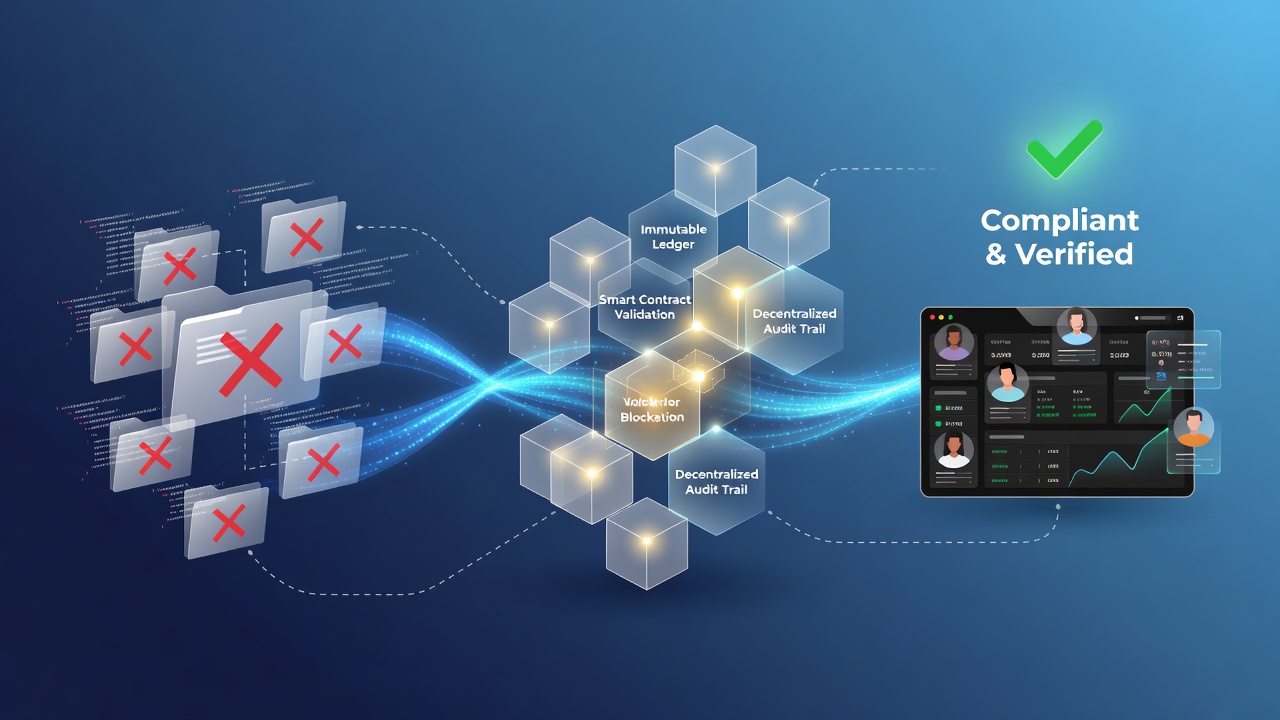
Blockchain verification processes continue to reshape compliance protocols across regulated real-money gaming platforms, and operators now rely on distributed ledger technology to handle identity checks, transaction monitoring, and audit trails with greater precision. These systems create immutable records that regulators and platforms can review without relying on centralized databases prone to single points of failure.
Core Mechanics of Blockchain Verification in Gaming
Distributed ledgers record each player action and financial transfer as a timestamped block linked to previous entries, which means any attempt to alter data becomes immediately detectable through consensus mechanisms. Gaming platforms integrate these ledgers with existing compliance software so that know-your-customer data, deposit histories, adn withdrawal requests receive cryptographic verification before processing continues. Smart contracts execute predefined rules automatically once conditions such as age verification or spending limits receive confirmation, reducing manual review times while maintaining consistency across multiple jurisdictions.
Observers note that platforms adopting these methods achieve faster reconciliation during routine audits because every transaction carries a verifiable hash that matches the original entry without requiring third-party intermediaries to validate each step.
Integration with Anti-Money Laundering Protocols
Regulated operators apply blockchain verification to anti-money laundering workflows by flagging suspicious patterns in real time through on-chain analytics that cross-reference wallet addresses against sanctioned lists maintained by various authorities. In September 2026 several platforms reported successful pilots where blockchain nodes automatically suspended accounts linked to high-risk jurisdictions until human compliance teams completed enhanced due diligence. This approach allows continuous monitoring rather than periodic batch reviews, and it provides regulators with exportable data sets that comply with reporting standards in Canada, Australia, and the European Union.
Data from industry reports shows transaction verification times have decreased by measurable margins when platforms replace legacy database queries with blockchain consensus checks, while maintaining the same level of regulatory oversight required under licensing agreements.

Regional Regulatory Developments and Adoption Patterns
Canadian provincial regulators have examined blockchain-based verification as a tool for cross-border player tracking, and platforms licensed in multiple provinces now share anonymized ledger excerpts to confirm that self-exclusion requests remain honored across different operators. Australian state gaming commissions have similarly explored these systems to streamline reporting on large winnings and suspicious activity notifications, which reduces duplication in paperwork submitted to oversight bodies. European operators reference guidance from the European Gaming and Betting Association when implementing on-chain compliance modules that align with broader digital finance directives.
One study released through academic channels at the University of Nevada highlighted how blockchain timestamps provide clearer audit trails than traditional server logs, and regulators in several markets have begun accepting these records as primary evidence during license renewal reviews. Platforms that adopted early versions of the technology report fewer discrepancies during surprise inspections because the ledger entries cannot be edited retroactively without network-wide detection.
Operational Impacts on Licensed Platforms
Compliance teams at regulated gaming sites now allocate fewer resources to manual data entry and more time to interpreting flagged anomalies that blockchain systems surface automatically. Transaction fees associated with certain verification steps have also shifted as platforms move from centralized payment processors to hybrid models that combine off-chain speed with on-chain settlement for high-value transfers. These changes support platforms in meeting capital reserve requirements because verifiable records demonstrate liquidity and player fund segregation in real time.
What's interesting is how smaller licensed operators gain access to enterprise-grade compliance tools through shared blockchain networks rather than building proprietary systems from scratch, which levels the field against larger competitors while preserving the strict oversight that licensing authorities demand.
Conclusion
Blockchain verification continues to embed itself into the compliance infrastructure of regulated real-money gaming platforms through immutable ledgers, automated smart contracts, and transparent audit trails that satisfy requirements from multiple regulatory bodies simultaneously. As of September 2026 the technology supports faster identity checks, continuous AML monitoring, and streamlined reporting without altering the fundamental standards set by licensing jurisdictions. Platforms that maintain these systems demonstrate consistent adherence to rules governing player protection and financial transparency, and the approach shows measurable efficiency gains in verification processes across tested markets.